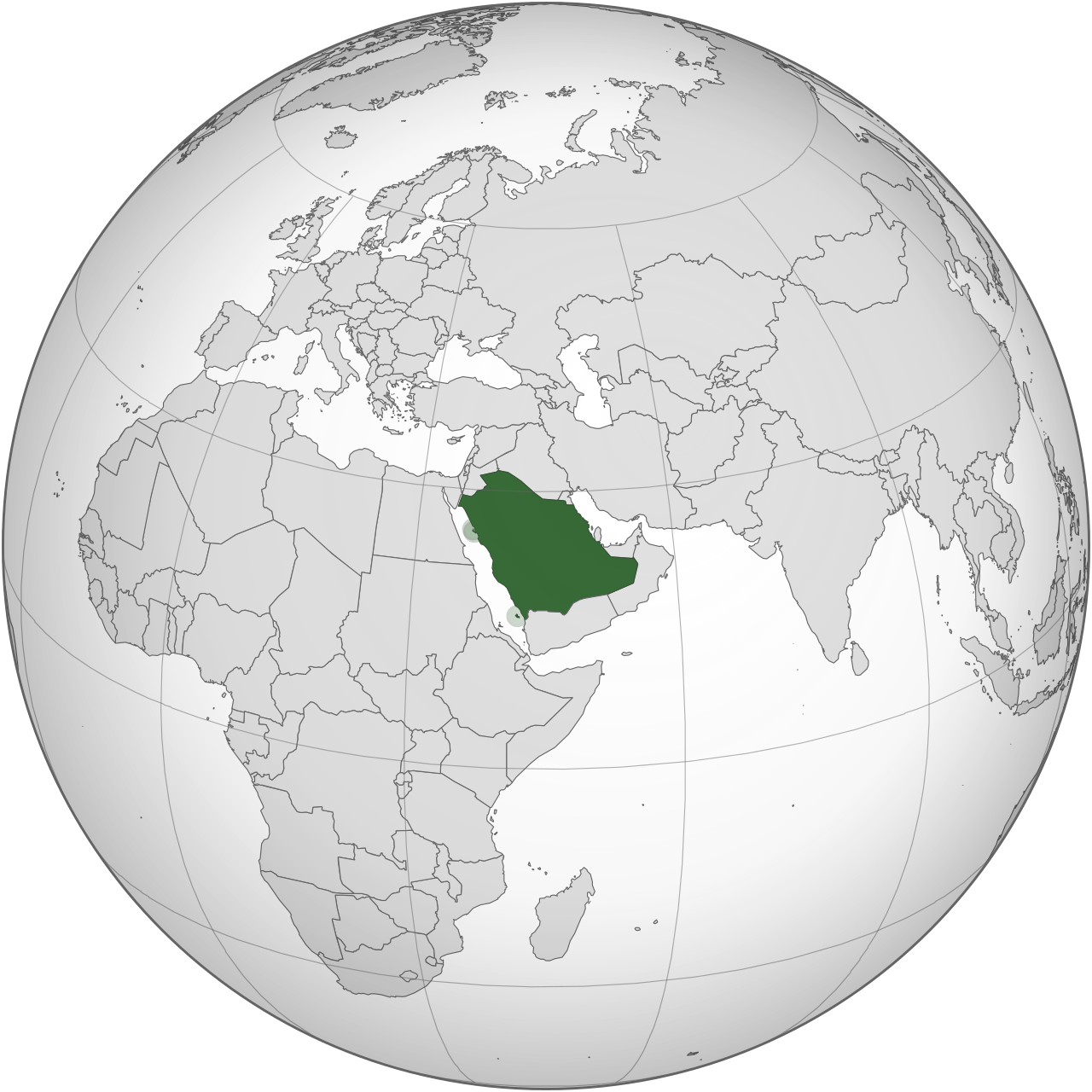
Saudi Arabia Time Zone: Navigating UTC+3 with Year-Round Consistency
Understanding the intricacies of global time zones is crucial for international travel, business, and communication. When it comes to the Middle East, particularly the Kingdom of Saudi Arabia, simplicity and consistency are key. The definitive answer to questions about the
time in Saudi Arabia is straightforward: the entire nation operates on a single time zone, set at Coordinated Universal Time plus three hours (UTC+3), and it notably observes no Daylight Saving Time (DST). This consistent approach simplifies planning and daily life across the vast kingdom, from the bustling metropolis of Riyadh to the historical sites of Jeddah and the holy cities of Mecca and Medina.
This article will delve into the specific details of Saudi Arabia's time zone, explore the benefits of its consistent UTC+3 standard, touch upon its historical transition, and provide practical insights for anyone planning to interact with or travel within this dynamic nation.
The Standard: UTC+3 Across the Kingdom
Saudi Arabia firmly adheres to a single time zone, making it one of the few large nations to maintain such uniformity. This means that whether you are in the eastern province of Dammam, the western coast of Jeddah, or the central capital of Riyadh, the
current time in Saudi Arabia remains precisely the same. This unified approach, set at UTC+3, positions the country three hours ahead of Coordinated Universal Time, the primary time standard by which the world regulates clocks and time.
The choice of a single time zone offers significant advantages for a country of Saudi Arabia's size and geographic spread. Internally, it streamlines logistics, business operations, and governmental functions. There's no need for residents or visitors to adjust clocks when traveling between cities, fostering a sense of national cohesion in scheduling. For businesses operating across the Kingdom, this consistency eliminates potential confusion in meeting times, delivery schedules, and internal communications, greatly enhancing operational efficiency. This singular focus on UTC+3 ensures that the
time in Saudi Arabia is unambiguous, fostering predictability and ease of planning.
No Daylight Saving: Consistency Year-Round
One of the most defining characteristics of the
Saudi Arabian time zone is its non-observance of Daylight Saving Time (DST). Unlike many countries in North America and Europe that adjust their clocks forward in spring and back in autumn, Saudi Arabia maintains a consistent UTC+3 throughout the entire year. This means there are no scheduled clock changes, providing unwavering stability in the local time.
The absence of DST simplifies life for residents and visitors alike. There’s no twice-yearly confusion about whether clocks have changed, no disruption to sleep patterns due to sudden shifts, and no need to constantly recalculate international time differences based on a "summer" or "winter" schedule. For individuals making international calls or coordinating global projects, this consistency is a huge benefit, as the time difference between Saudi Arabia and other regions remains constant. This reliability makes planning across borders significantly easier, reinforcing the practicality of the
Saudi Arabia's Consistent UTC+3: No Daylight Saving Time policy.
A Glimpse into the Past: Saudi Arabia's Time Transition from LMT
While Saudi Arabia's current time standard is remarkably stable, its adoption wasn't always fixed. Like many nations around the globe, Saudi Arabia underwent a transition from Local Mean Time (LMT) to its current standard time zone. LMT was historically determined by astronomical observations at a specific location, leading to slight variations from town to town. As the world became more interconnected, the need for standardized time zones became apparent to facilitate travel, communication, and commerce.
The shift to UTC+3 involved a precise adjustment to synchronize the Kingdom with global time standards. During this transition, clocks in Saudi Arabia were set back by 6 minutes and 52 seconds. This specific adjustment occurred from 00:00 to 23:53:08 local time, signifying a move from a more localized, astronomically determined time to a globally coordinated, standardized system. This historical event, though subtle in its execution, was a crucial step in Saudi Arabia's modernization and integration into the international community. It ensured that the
time in Saudi Arabia aligned with a global standard, paving the way for easier international interaction. For a deeper dive into this historical shift, explore
Saudi Arabia's Time Transition: From LMT to UTC+3.
Understanding the IANA Time Zone Database: Asia/Riyadh
Beyond the general understanding of UTC+3, for those working with technology, scheduling software, or international systems, recognizing the IANA time zone identifier is essential. The Internet Assigned Numbers Authority (IANA) time zone database, often referred to as the tz database or zoneinfo database, is a collaborative compilation of information about the world's time zones. It's what allows your computer, smartphone, and countless online services to correctly display local time for any given location.
For Saudi Arabia, the IANA identifier is
Asia/Riyadh. This specific tag encapsulates all the rules governing the
time in Saudi Arabia, including its offset from UTC (+3 hours) and, crucially, the fact that it does not observe Daylight Saving Time. When setting up devices, configuring servers, or developing applications that interact with Saudi Arabian schedules, selecting "Asia/Riyadh" ensures accurate timekeeping. This identifier is universally recognized and provides a robust, unambiguous way to reference the local time, solidifying its place within the global digital infrastructure.
Practical Implications and Tips for Travelers and Businesses
Understanding the
time in Saudi Arabia has practical implications for a wide range of individuals and organizations.
For Travelers:
- Jet Lag Management: If you're arriving from a vastly different time zone, particularly from countries west of Saudi Arabia, anticipate jet lag. The UTC+3 offset means you'll be significantly ahead of North American time zones, for example.
- Setting Your Devices: Upon arrival, ensure your phone and other electronic devices automatically update to the correct local time or manually set them to UTC+3. Given there's no DST, you won't need to worry about future adjustments.
- International Calls: When calling friends or family back home, always remember that Saudi Arabia does not observe DST. This means the time difference might appear to "change" from your perspective if your home country does practice DST.
- Local Customs: While not directly about time zones, being aware of daily schedules and prayer times (Salah) can enhance your experience. Businesses and services may adjust hours around prayer times, though this is distinct from time zone changes.
For Businesses:
- Scheduling International Meetings: For global teams, the consistent UTC+3 is a blessing. Once you establish the time difference with your partners in Saudi Arabia, it remains the same year-round, eliminating seasonal recalculations.
- Supply Chain and Logistics: Businesses involved in shipping or transportation to and from Saudi Arabia benefit from the fixed time zone, allowing for more predictable scheduling and fewer errors related to time discrepancies.
- Software and Systems Configuration: Ensure all enterprise resource planning (ERP) systems, customer relationship management (CRM) software, and other internal tools are correctly configured for "Asia/Riyadh" to maintain accurate timestamps for transactions and communications.
- Employee Relations: If managing employees remotely or across different offices, clearly communicate time expectations and use universal time converters to avoid misunderstandings, particularly when coordinating with Saudi Arabian colleagues.
In essence, the clarity of Saudi Arabia's time zone makes it a relatively simple region to plan for. Always double-check current local time using reliable online sources when coordinating critical events or travel, but rest assured that the fundamental framework of UTC+3 with no DST will remain constant.
Conclusion
Saudi Arabia's approach to timekeeping is characterized by its elegant simplicity and unwavering consistency. Operating uniformly on UTC+3 across the entire kingdom, and notably abstaining from Daylight Saving Time, the nation provides a stable and predictable environment for residents, travelers, and international businesses alike. From the historical transition out of Local Mean Time to the precision of its "Asia/Riyadh" IANA identifier, every aspect points to a commitment to a globally harmonized and internally efficient time standard. Understanding these core tenets of the
time in Saudi Arabia is not just a matter of factual knowledge, but a practical tool that facilitates seamless interaction with this significant global player, simplifying everything from setting a watch to scheduling an international conference call.